
September 17, 2026
A New Painting of ‘The Beast’
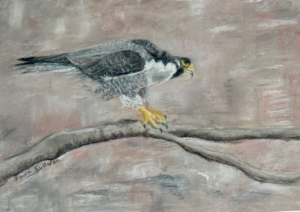
A painting entitled "The Beast of State Line Lookout" now adorns the cafe there. The pastel by Laura Sullivan was…

𝑂𝑟𝑑𝑖𝑛𝑎𝑟𝑖𝑙𝑦, 𝐼 𝑝𝑜𝑠𝑡 𝑎 𝑙𝑖𝑛𝑘 𝑡𝑜 𝑡ℎ𝑒 𝑐𝑜𝑙𝑢𝑚𝑛 𝑓𝑜𝑟 𝑠𝑢𝑏𝑠𝑐𝑟𝑖𝑏𝑒𝑟𝑠 𝑜𝑛 𝑡ℎ𝑒 𝑑𝑎𝑦 𝑖𝑡 𝑟𝑢𝑛𝑠, 𝑎𝑛𝑑 𝑡ℎ𝑒𝑛 𝑝𝑜𝑠𝑡 𝑡ℎ𝑒 𝑐𝑜𝑙𝑢𝑚𝑛 𝑖𝑛 𝑖𝑡𝑠 𝑒𝑛𝑡𝑖𝑟𝑒𝑡𝑦 𝑎 𝑑𝑎𝑦 𝑜𝑟 𝑡𝑤𝑜 𝑙𝑎𝑡𝑒𝑟. 𝐵𝑢𝑡 𝑡𝑜𝑑𝑎𝑦’𝑠 𝑐𝑜𝑙𝑢𝑚𝑛 𝑐𝑎𝑛’𝑡 𝑤𝑎𝑖𝑡. 𝑃𝑙e𝑎𝑠𝑒 ℎ𝑒𝑙𝑝!
By Jim Wright
Special to The Record | USA TODAY NETWORK – NEW JERSEY
New Jersey’s ospreys are in deep trouble.
Because of overfishing, these incredible raptors face their biggest threat since DDT almost drove them to extinction in the 1960s and early 1970s. At the end of this column, I’ll explain how you can help.
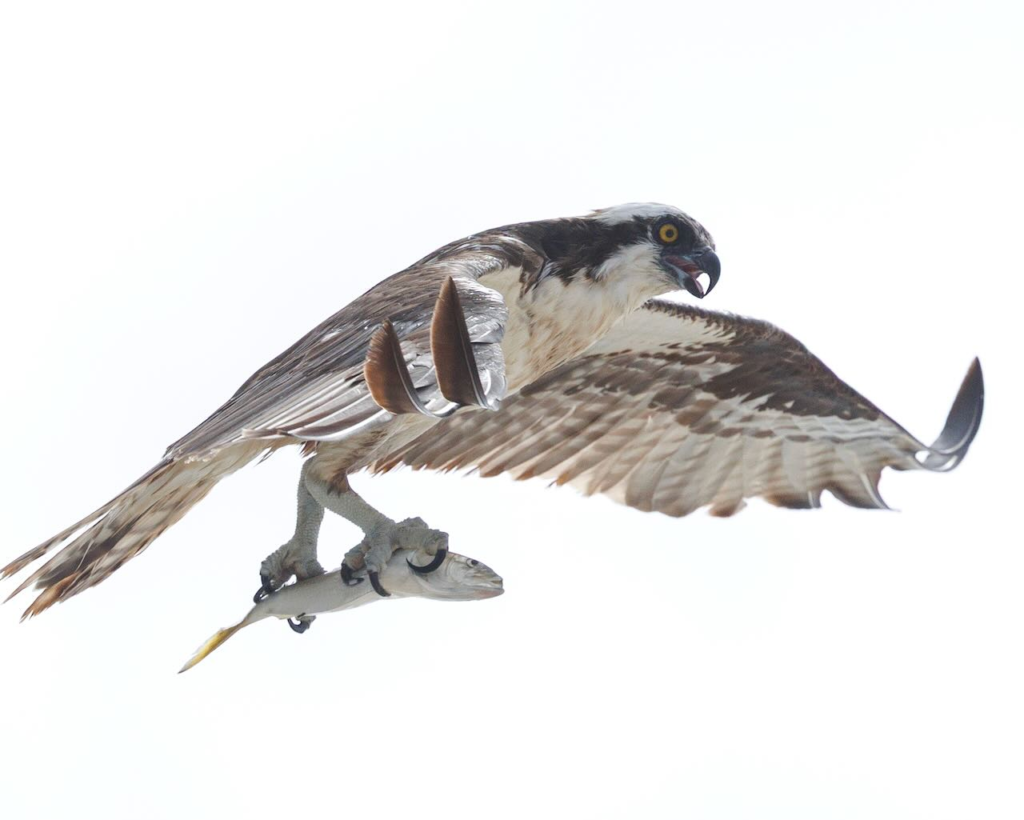
The ospreys’ plight may surprise folks in North Jersey. Hawk watchers at the State Line Lookout in Alpine counted these black-and-white raptors during this fall’s migration, and birders have marveled at ospreys’ fish-catching abilities at lakes and ponds throughout the region. The sight of an osprey crashing into the water and ascending with a fish in its talons is one of nature’s great spectacles.
Coastal New Jersey is an entirely different story, and it’s a tragedy. Fish hawk populations gone into a nosedive, with no sign of recovery.
Ironically, the Garden State removed ospreys from the threatened and endangered list in January 2025 after their numbers rebounded from around 50 pairs in 1974 to more than 730 in the past decade. Then, wham!
Last year. Conserve Wildlife Foundation of New Jersey documented the worst breeding season in more than three decades. Compared with the previous five years, osprey reproduction rates fell by more than half statewide.
In 2026, most nests along the Atlantic and adjacent bays and waterways failed. In instances where the eggs did hatch, the nestlings starved to death despite their parents’ best efforts. The prime reason: There simply weren’t enough menhaden around to feed the young.
As CWF noted, “Ospreys are considered to be one of the best indicators of marine ecosystem health. When they struggle to find enough food to raise their young, it signals a much larger problem affecting the entire coastal food web.”
Here’s what’s going on. Industrial fishing operations are systematically removing schools of menhaden from the Atlantic coast and Chesapeake Bay. Humans may not find these small, thin fish palatable, but there’s plenty of money to be made from harvesting them for bait, animal feed, fertilizer, and nutritional supplements.
To maximize their yield, the massive operations use spotter planes to locate the menhaden, then send their ships to scour the water with huge nets.
According the New Jersey DEP, commercial fishermen have removed more than 400 million pounds of menhaden annually along the Atlantic coast in recent years. Although there are catch limits on menhaden, the current limits seem inadequate, unsustainable, and deadly to ospreys and the marine ecosystem.
𝐖𝐇𝐀𝐓 𝐘𝐎𝐔 𝐂𝐀𝐍 𝐃𝐎: The industry-friendly Atlantic States Marine Fisheries Commission is considering tighter limits on menhaden harvests in the Chesapeake Bay and beyond. The public comment period ends tomorrow (Friday, Oct. 9) at midnight.
Email the commission at comments@asmfc.org and tell them you’re alarmed by the plummeting coastal osprey population and urge them to drastically reduce the allowable menhaden harvest. Tell your state officials, too.
𝑇ℎ𝑒 𝐵𝑖𝑟𝑑 𝑊𝑎𝑡𝑐ℎ𝑒𝑟 𝑐𝑜𝑙𝑢𝑚𝑛 𝑎𝑝𝑝𝑒𝑎𝑟𝑠 𝑒𝑣𝑒𝑟𝑦 𝑜𝑡ℎ𝑒𝑟 𝑇ℎ𝑢𝑟𝑠𝑑𝑎𝑦. 𝐽𝑖𝑚’𝑠 𝑙𝑎𝑡𝑒𝑠𝑡 𝑏𝑜𝑜𝑘 𝑖𝑠 𝑇ℎ𝑒 𝑃𝑒𝑟𝑒𝑔𝑟𝑖𝑛𝑒 𝐹𝑎𝑙𝑐𝑜𝑛 𝑌𝑜𝑢 𝑐𝑎𝑛 𝑒𝑚𝑎𝑖𝑙 ℎ𝑖𝑚 𝑎𝑡 𝑐𝑒𝑙𝑒𝑟𝑦𝑓𝑎𝑟𝑚@𝑔𝑚𝑎𝑖𝑙.𝑐𝑜𝑚.
𝑃ℎ𝑜𝑡𝑜 𝑝𝑟𝑜𝑣𝑖𝑑𝑒𝑑 𝑏𝑦 𝐵𝑒𝑛 𝑊𝑢𝑟𝑠𝑡/𝐶𝑊𝐹
September 17, 2026
September 5, 2026
August 28, 2026

August 11, 2026