
March 5, 2026
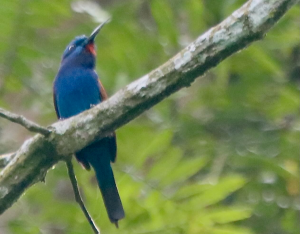
The Sky’s the Limit for This Birder
Fewer than 500 people worldwide have reported seeing this African bird – a blue-moustached bee-eater. Photo by Marc Chelemer By…


Fred Weber and Deedee Burnside, friends of this blog, have been doing something incredible this summer: raising Pipevine Swallowtail butterflies.
Deedee provided the photos and an account of how they did it.
Click "Continue reading … " below for more photos and Deedee’s story.

Deedee explains how they did it:


I thank you and the butterflies thank you.

Fascinating! What a wonderful thing you are doing. Loved the photos. I’ve never heard of a pipe vine plant…I take it that the pipevine swallowtail butterfly lands on these planats…thus the name:-). Your photos are beautiful!
Jennifer

Nice Job Deedee and Fred! The pictures came out really nice. It would be a great idea to let the elementary school students see how this really happens. I am sure they would learn a lot from it. In addition to this it helps us teachers to provide the students something they can associate the literacy part of science to the real world.

very interesting i enjoyed reading the article thanks for sharing susan

Fascinating! Hmmmm…note to self…plant pipevine next year, call Deedee and Fred…..

HEY, GREAT FOR YOU TWO-LOOKS LIKE FUN. SORRY I MISSED YOU AT WILLOWWOOD.I TRUST THAT THE GRAND CHILDREN HAVE “HELPED” YOU
IN THIS PROJECT.
SEE YOU ALL IN CAPE MAY IN SEPT ?
JOHN
March 5, 2026
March 3, 2026
February 27, 2026
February 20, 2026
6 comments
e wallace
I thank you and the butterflies thank you.
Jennifer
Fascinating! What a wonderful thing you are doing. Loved the photos. I’ve never heard of a pipe vine plant…I take it that the pipevine swallowtail butterfly lands on these planats…thus the name:-). Your photos are beautiful!
Jennifer
Carmen Caro
Nice Job Deedee and Fred! The pictures came out really nice. It would be a great idea to let the elementary school students see how this really happens. I am sure they would learn a lot from it. In addition to this it helps us teachers to provide the students something they can associate the literacy part of science to the real world.
susan weber
very interesting i enjoyed reading the article thanks for sharing susan
Diane Brown
Fascinating! Hmmmm…note to self…plant pipevine next year, call Deedee and Fred…..
JOHN COLLINS
HEY, GREAT FOR YOU TWO-LOOKS LIKE FUN. SORRY I MISSED YOU AT WILLOWWOOD.I TRUST THAT THE GRAND CHILDREN HAVE “HELPED” YOU
IN THIS PROJECT.
SEE YOU ALL IN CAPE MAY IN SEPT ?
JOHN