
September 5, 2026
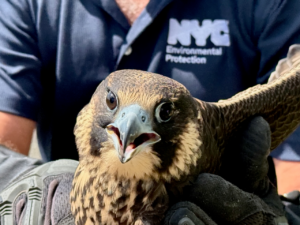
A Young Peregrine on the Ascent
Yesterday in the Mohonk Preserve near New Paltz, N.Y., Chris Nadareski of the NYC DEP released four young rehabbed peregrines,…

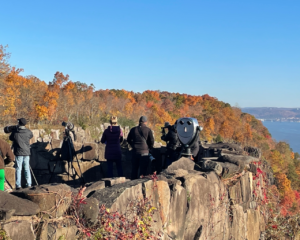
On Monday, I offered a doubleheader from a recent Slabsides visit. (Click on pic for better views.)
Kurt Muenz's recent damselfly/dragonfly talk for Fyke rekindled my interest in these cool insects, and this damselfly looked cool, even if I only had a point-and-shoot with me. Ditto the flora above.
No luck on the damselfly I.D, but Slabsides naturalist Joe Bridges pointed out the clump of colorful flora and said it was Squawroot.
Deedee Burnside, however, I.D.'d it as Broomape. What was going on???
The answer, perhaps, is here. (Thanks, Joe and Deedee.)

They are similar but different.

Sounds like it mgh be different name for the same stuff.
I am told this is the scientific symbol for squaw root: √
It is parasitic on roots of Oak and Beech.
Rick Radis tells me that “It looks more like Conophilus to me.”
That is Cancer Root!
Squaw Root or Broomrape?? I have sent it to an expert naturalist who will eventually respond.
Might be Squaw Root??
September 5, 2026
August 28, 2026

August 11, 2026
July 31, 2026
5 comments
Deedee Burnside
They are similar but different.
Jim Wright
Sounds like it mgh be different name for the same stuff.
I am told this is the scientific symbol for squaw root: √
Deedee Burnside
It is parasitic on roots of Oak and Beech.
Deedee Burnside
Rick Radis tells me that “It looks more like Conophilus to me.”
That is Cancer Root!
Deedee Burnside
Squaw Root or Broomrape?? I have sent it to an expert naturalist who will eventually respond.
Might be Squaw Root??